

Acupuncture
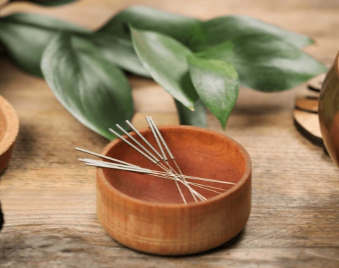
Acupuncture is a traditional form of medicine that involves the gentle insertion of very fine needles into specific points on the body. While acupuncture is often associated with treating pain, its traditional use is much broader. It can be used to support a wide range of physical and emotional concerns, including stress, sleep, digestion, hormonal health, menstrual wellbeing, headaches and muscular tension.
Rather than taking a one-size-fits-all approach, acupuncture looks at you as an individual and how your symptoms fit into the wider picture of your health.
Stress, anxiety and balancing emotions
Sleep difficulties and feeling run down
Headaches and migraines
Muscular tension and aches and pains
Back, neck and shoulder pain
Sports injuries and musculoskeletal conditions
Digestive issues such as bloating and IBS
Menstrual and hormonal health
PMS and period-related symptoms
Fertility and reproductive wellbeing
Menopause and perimenopausal symptoms
Energy and fatigue
Supporting relaxation and overall wellbeing through periods of transition
How does acupuncture work?
From a Traditional Chinese Medicine perspective, the body is supported by the movement and balance of Qi (pronounced "chee"), Blood, Yin and Yang. Acupuncture points are located along pathways known as meridians, which form part of the traditional framework used to understand how different areas and functions of the body are connected.
When the body is out of balance, this may show up in different ways — perhaps through pain, tension, fatigue, digestive changes, disrupted sleep, emotional stress or hormonal symptoms. Acupuncture aims to support the body's natural ability to regulate and restore balance by stimulating specific acupuncture points according to your individual needs.
What happens during a treatment?
Your first appointment begins with a detailed consultation. This gives us time to understand what is going on for you, not just in relation to your main concern, but also your general health and wellbeing.
I may ask about your sleep, digestion, energy, emotions, stress, menstrual cycle and other aspects of your health. I may also look at your tongue and feel your pulse, which are traditional diagnostic methods used within TCM. From this information, I develop an individual treatment plan and select the acupuncture points that are most appropriate for you.
During treatment, the needles are inserted gently and are generally much finer than people expect. You may feel a brief sensation as a needle is inserted, followed by a feeling of heaviness, warmth, tingling or relaxation around some points. Many people find acupuncture deeply relaxing, and it is common to feel calm or sleepy during and after a treatment.
It's not always about where it hurts
One of the things that makes acupuncture different from a purely symptom-focused approach is that the points used aren't necessarily located where you are experiencing your symptoms.
For example, someone experiencing headaches may also have digestive problems, poor sleep and high levels of stress. These seemingly separate symptoms can provide important clues about what is happening as a whole. This is where acupuncture and TCM work together. Rather than simply asking "Where does it hurt?", we ask: "What is your body telling us, and how can we support it?"
Your treatment is therefore personalised to you, your symptoms and the underlying pattern identified during your consultation.
More than just needles
Acupuncture is at the heart of my practice, but treatment can also incorporate other traditional and naturopathic approaches where appropriate, including cupping, moxibustion, gua sha, lifestyle and nutritional support.
My aim is to create a treatment that considers the whole person — body and mind — rather than treating an isolated symptom.